
Skip to content
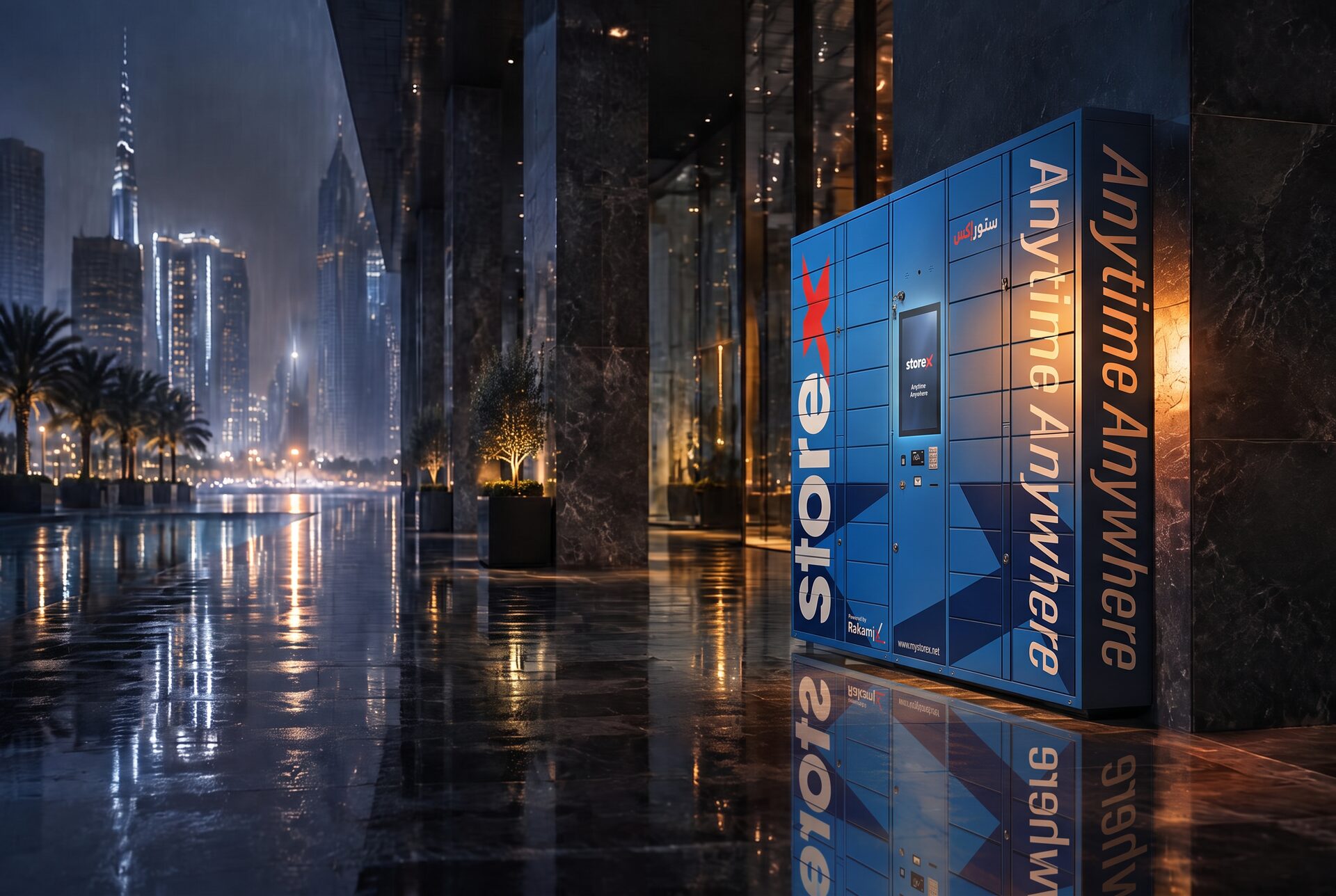
A smart-locker station installed in the colonnade of a city office tower at night

Logistics venture studio

The logistics venture studio building what moves the city forward.

Rakamix Code creates, operates, and scales logistics ventures that connect infrastructure, software, and real-world operations. Our first ventures, StoreX and StoreX SaaS, are already available and operating.

Operating now

Live ventures · Smart infrastructure · Logistics operating software

Our ventures

Two live ventures, one infrastructure thesis.

Live logistics infrastructure

Operating now

StoreX

Secure, monitored smart-locker infrastructure for pickup, drop-off, returns, collection, and fulfillment.

  • Operating now
  • 24/7 access model
  • Built for couriers, retailers, properties, institutions, and consumers
  • Integrates into existing logistics journeys

Explore StoreX

Live operating platform

Available now

StoreX SaaS

The software operating system for smart lockers and distributed service-point networks.

  • Operating now
  • Multi-location operations
  • Configurable workflows and access rules
  • APIs, monitoring, analytics, and operational control
Explore StoreX SaaS
Aerial view of a dense city at night, arterial roads lit as continuous lines

Our thesis

We build where logistics breaks.

We look for recurring operational friction in movement, access, fulfillment, delivery, and service infrastructure, then build focused ventures that solve the problem in the physical and the digital world.

How the thesis plays out

  1. 01

    Find structural friction

    Failed attempts, fragmented infrastructure, inaccessible services, and inefficient handoffs between the parties who move goods.

  2. 02

    Build the operating layer

    Hardware, software, workflows, integrations, and the human operations that keep a network running every day.

  3. 03

    Scale the network

    Repeatable deployments, stronger utilization per location, and more value for every participant as the network grows.

The network model

One infrastructure layer. Multiple sources of value.

Every participant connects through the same infrastructure and the same operating platform, which is what makes the network more useful as it grows.

  • Consumers

    Collect, drop off, and return at a time that suits them.

  • Couriers

    One secure stop instead of many uncertain attempts.

  • Merchants

    A pickup and returns channel without new premises.

  • Properties

    A 24/7 amenity with no front-desk workload.

  • Institutions

    Secure service and document access beyond the counter.

  • Operators

    Devices, workflows, and incidents managed from one platform.

  • StoreX infrastructure

    Monitored physical stations placed on real logistics flows.

  • StoreX SaaS

    The operating platform for locations, devices, access, and workflows.

  • Integrations and data

    APIs, events, and analytics connecting partner systems.

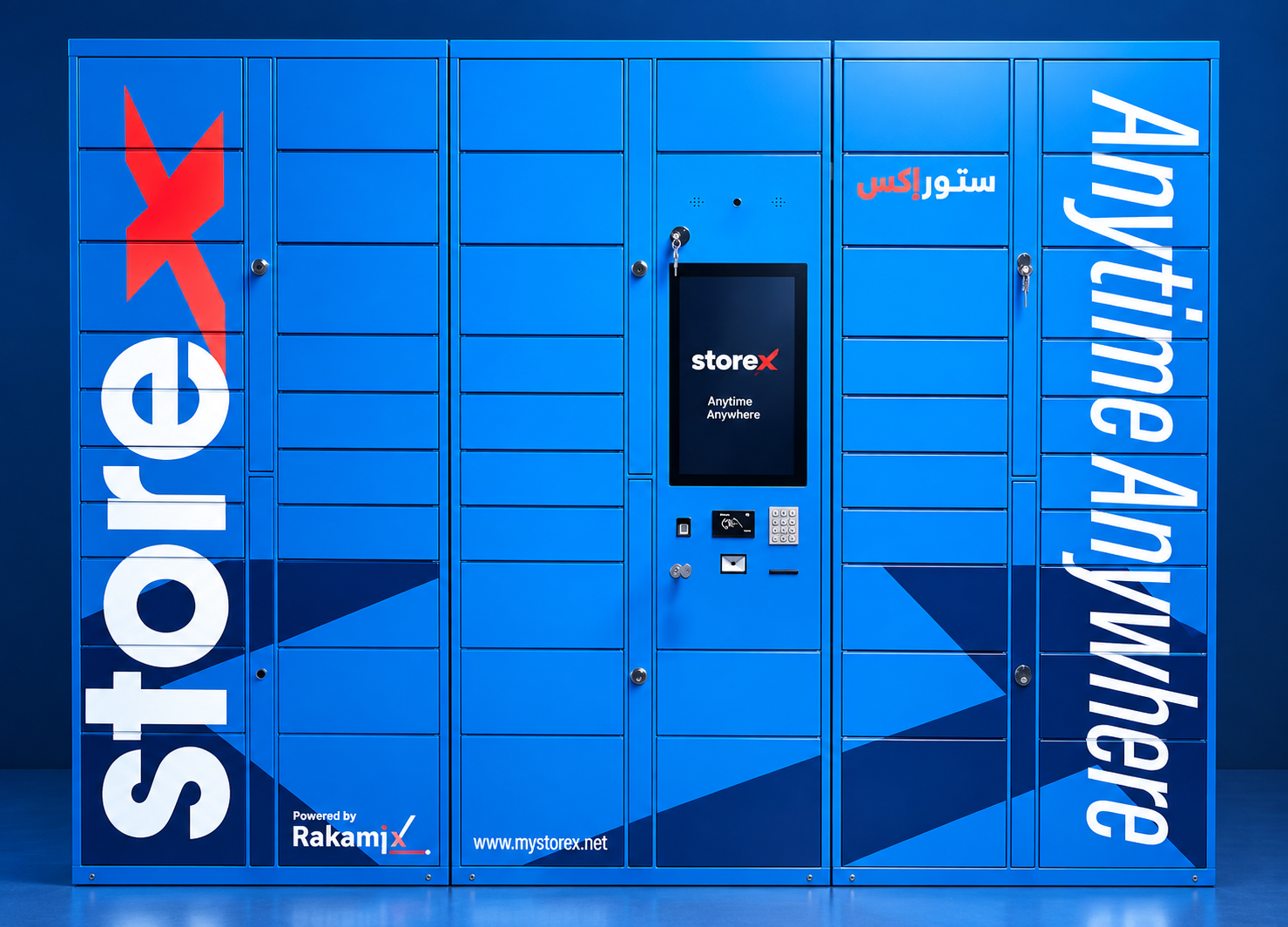
A StoreX smart-locker station with compartment doors, a central touchscreen, scanner and keypad, installed and operating
StoreX station in service

Operating now

Not a concept. An operating system for real logistics.

Both ventures are live. The facts below describe how they operate today; verified network metrics are published only once they are confirmed by the operating team.

StoreX

Operating now

Live smart-locker infrastructure

StoreX SaaS

Available now

Live operating platform

Access model

24/7-ready

Contactless pickup and drop-off

Integration model

API-ready

Courier, commerce, and identity systems

Deployment model

Three models

Network, customer hardware, or managed deployment

Start here

A route for every kind of partner.

Choose the description closest to your organization. Each path opens the contact flow already framed around the outcome you are chasing.

Logistics and courier companies

Failed attempts, re-delivery cost, driver dwell time, and recipient friction on every route.

Consolidate scattered deliveries into secure, monitored pickup and drop-off infrastructure.

Discuss a logistics integration

Ecommerce and retail businesses

Customers want choice at checkout, dependable collection, and returns that do not cost a support ticket.

Add a dependable pickup and returns channel to your customer experience without building the infrastructure yourself.

Add StoreX to your delivery experience

Property owners, compounds, universities, and campuses

Residents, tenants, and students expect secure 24/7 collection, and the front desk absorbs the overflow.

Turn existing locations into secure, connected logistics access points.

Request a site assessment

Government and institutions

Citizens still travel to a counter for a document, a payment, or a collection that could happen near where they live.

Extend essential services beyond the counter through secure, monitored infrastructure.

Discuss an institutional deployment

Technology and integration partners

Connecting systems to physical infrastructure usually means bespoke work for every location and device.

Connect your systems to a managed physical-digital logistics network.

Discuss an integration

Investors and strategic partners

Urban logistics is being rebuilt, and the infrastructure layer is where durable value accumulates.

Participate in the infrastructure layer powering the next generation of urban logistics.

Request the partner brief

How we work

From operating problem to deployed venture.

  1. 01

    Diagnose

    Map the operational problem with the people who live inside it every day.

  2. 02

    Design

    Design the venture, the user journey, and the unit of value it creates.

  3. 03

    Build

    Build the software and the physical infrastructure as one system.

  4. 04

    Launch

    Launch with operating partners in real locations, not in a lab.

  5. 05

    Scale

    Measure, improve, and repeat the deployment where the data supports it.

StoreX journal

Latest writing from the team.

Field notes on pickup infrastructure, network operations, retail handover and custody.

Last mile5 min read

Why one stop beats ten door attempts

Catchment density, not station count, is what makes a pickup network pay. How a single location earns the footprint it occupies.

Operations5 min read

The first hour after a station goes offline

Triage order, field tasks and protecting capacity when a station stops reporting. What a good operations response looks like.

Last mile5 min read

Designing the collection window

Notification timing, dwell time and what happens when a parcel is not collected. The rules that decide how much capacity a station really has.

Build the next logistics layer with us.

Tell us whether you are solving a delivery problem, operating a location, integrating a network, or exploring a new venture. We will connect you with the right Rakamix Code team.